
Wealth Management
Overview
Wealth management is our most comprehensive advisory offering, built for individuals and families who need a single team coordinating investments, taxes, insurance, and legacy planning. Rather than treating each of those disciplines separately, we run them through one integrated strategy so decisions in one area never work against another.
Most of our wealth management clients come to us after outgrowing a single-focus advisor. They're managing liquidity events, multiple entities, or a growing family balance sheet and need a partner who can hold the full picture, not just the parts of it that fit inside one product line.

Every wealth management engagement begins with a full balance sheet review: investable assets, real estate, business interests, insurance coverage, and outstanding liabilities. From there we build a written strategy covering risk tolerance, target allocations, and a rebalancing cadence you can actually stick to.
We coordinate directly with your CPA and estate attorney so tax and legal decisions stay aligned with your portfolio strategy instead of happening in isolation. Clients typically meet with their lead advisor quarterly, with ad hoc calls whenever markets move or life circumstances change.
Key Benefits
A single point of accountability across investments, estate structure, and Social Security timing means fewer blind spots and fewer decisions made without the full picture in view.
Investment management is one component of wealth management. Wealth management also covers estate structure, insurance review, Social Security claiming strategy, and coordination with your outside tax and legal advisors.
There's no hard minimum, but most wealth management clients have investable assets north of $1M or a complex situation involving multiple entities, trusts, or an upcoming liquidity event.
In most cases, yes. We can advise on outside 401(k)s and held-away accounts even when we don't have direct trading authority over them.
Stats & Charts
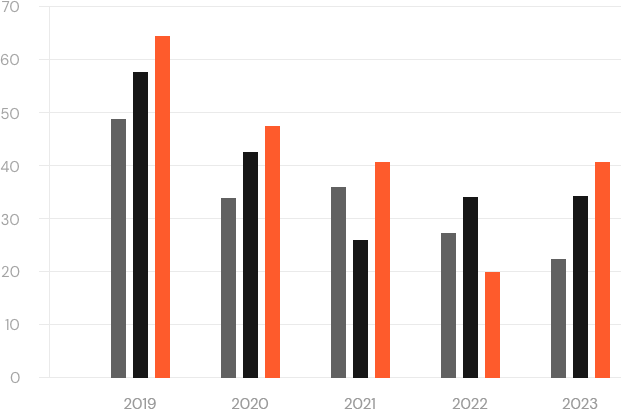
Clients working with a coordinated wealth management team report fewer surprises at tax time and a clearer sense of whether they're on track for retirement, because every account is reviewed against one plan instead of several disconnected ones.
Estate documents that go untouched for a decade are one of the most common gaps we find during onboarding. We flag outdated beneficiary designations and trust language as part of every initial review.
Coordinating investment, tax, and estate decisions under one roof also shortens the time it takes to act on opportunities, since your advisor already has the full context.

Expect and deliver the highest quality outcomes.
Our purpose is to build trust and maintaining a long lasting relationships with our clients.
Acknowledge needs and objectives

We prepare for your meeting by identifying key milestones or events that have happened since we last met. Then we review your portfolios to see if they’re well positioned to meet
Provide a comprehensive long term perspective

We prepare for your meeting by identifying key milestones or events that have happened since we last met. Then we review your portfolios to see if they’re well positioned to meet
Establish confidence and discuss opportunities

We prepare for your meeting by identifying key milestones or events that have happened since we last met. Then we review your portfolios to see if they’re well positioned to meet
What Our Customers Feel About Our Services!
When our customers succeed, so do we!!
It’s been an excellent experience. Apex Advisors team of consultants is a trusted partner; they took the necessary time to understand our operations and needs, which was essential for our providers and clients. They were professionals and made the right changes and adjustments to align project team with our culture and needs.

Dana Wade Sr
Working with Apex Advisors gave our leadership team a level of financial discipline we simply didn't have before. They didn't just hand us a report and leave; they stayed through implementation until our own team could run the process independently.

Ann John