
Sustainability Assurance
Overview
Sustainability assurance gives investors, regulators, and boards confidence that the environmental and social data a company reports is accurate and defensible. As disclosure requirements expand, we help clients build reporting processes that hold up to external scrutiny rather than scrambling to assemble numbers each reporting cycle.
Our team reviews emissions data, energy usage, and social impact metrics against the same rigor we'd apply to financial statements, then helps clients build the internal controls needed to keep that data reliable year over year.

We start every engagement with a materiality assessment to identify which sustainability metrics actually matter to your investors and regulators, so reporting effort goes toward the disclosures that carry real weight.
From there we help design the data collection process, review it against relevant frameworks, and provide independent assurance over the final report. For clients pursuing energy efficiency initiatives, we also model the expected cost and emissions impact before capital is committed.
Key Benefits
Independent assurance over sustainability data reduces regulatory and reputational risk while giving investors a level of confidence in ESG disclosures comparable to audited financial statements.
We offer both limited and reasonable assurance engagements depending on your reporting requirements and investor expectations.
Most engagements are structured around GRI, SASB, or TCFD-aligned frameworks, adapted to whichever standard your primary investors or regulators require.
A first-year engagement typically takes 8 to 12 weeks including the materiality assessment. Subsequent years are faster once data collection processes are established.
Stats & Charts
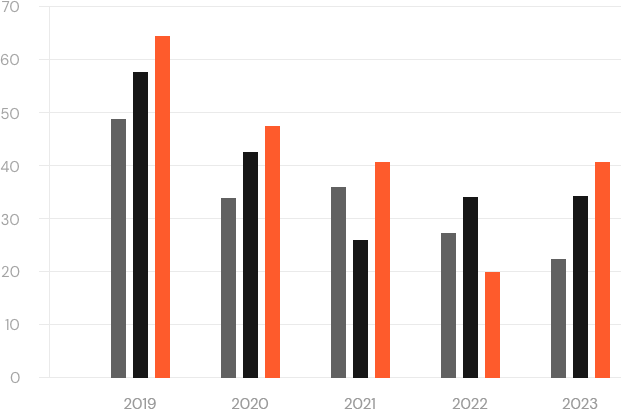
Companies that complete a materiality assessment before building their reporting process typically cut the number of tracked metrics by a third, while improving data quality on the ones that remain.
Energy efficiency initiatives that are modeled for cost and emissions impact before capital commitment consistently outperform their initial payback estimates, since the modeling surfaces implementation risks early.
Independent assurance over ESG disclosures is increasingly a prerequisite for institutional capital, not just a compliance checkbox.

Expect and deliver the highest quality outcomes.
Our purpose is to build trust and maintaining a long lasting relationships with our clients.
Acknowledge needs and objectives

We prepare for your meeting by identifying key milestones or events that have happened since we last met. Then we review your portfolios to see if they’re well positioned to meet
Provide a comprehensive long term perspective

We prepare for your meeting by identifying key milestones or events that have happened since we last met. Then we review your portfolios to see if they’re well positioned to meet
Establish confidence and discuss opportunities

We prepare for your meeting by identifying key milestones or events that have happened since we last met. Then we review your portfolios to see if they’re well positioned to meet
What Our Customers Feel About Our Services!
When our customers succeed, so do we!!
It’s been an excellent experience. Apex Advisors team of consultants is a trusted partner; they took the necessary time to understand our operations and needs, which was essential for our providers and clients. They were professionals and made the right changes and adjustments to align project team with our culture and needs.

Dana Wade Sr
Working with Apex Advisors gave our leadership team a level of financial discipline we simply didn't have before. They didn't just hand us a report and leave; they stayed through implementation until our own team could run the process independently.

Ann John