
Crisis Management
Overview
Crisis management is about preparation as much as response. We help boards and executive teams build the plans, communication protocols, and decision-making structures needed before a crisis hits, so the first hours of an actual event are spent executing a plan rather than inventing one.
Our engagements typically start with a vulnerability assessment covering operational, financial, reputational, and cyber risk, then move into building the specific response plans and training the people who'll need to use them.

Every crisis plan we build includes a clear decision-making chain, pre-drafted communication templates for employees, customers, and media, and a defined escalation path so the right people are looped in at the right time, not after the fact.
We run tabletop exercises with leadership teams to pressure-test the plan against realistic scenarios, then revise it based on what breaks down under pressure. Plans that have never been tested tend to fail in exactly the ways a two-hour tabletop exercise would have caught.
Key Benefits
A tested crisis plan with a clear decision-making structure consistently shortens response time and reduces reputational damage compared to organizations building their response in real time.
We recommend a full review annually, with a lighter tabletop exercise every six months to keep the response muscle memory current across leadership.
Yes. We offer on-call crisis response support for existing clients and can be engaged for acute support even without a prior planning relationship.
Most plans address operational disruption, cybersecurity incidents, executive departures, and reputational events, tailored to the risks most relevant to your industry.
Stats & Charts
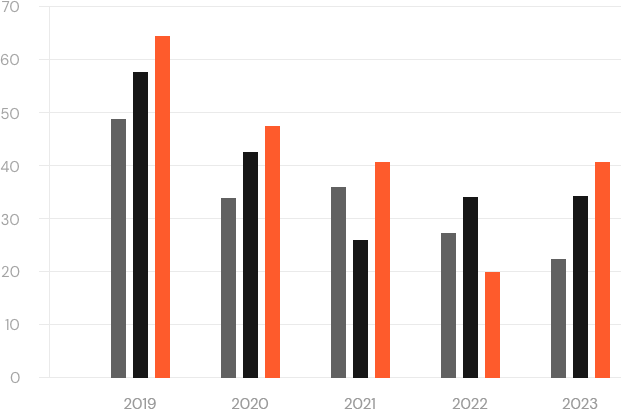
Organizations with a tested crisis plan typically issue their first public communication within hours of an incident, compared to much longer delays for organizations building a response from scratch.
Tabletop exercises consistently surface at least one gap in the escalation chain that wouldn't have been obvious from a written plan alone, most often around who has authority to speak publicly.
Board-level familiarity with the crisis plan, built through participation in tabletop exercises, measurably shortens decision time during an actual event.

Expect and deliver the highest quality outcomes.
Our purpose is to build trust and maintaining a long lasting relationships with our clients.
Acknowledge needs and objectives

We prepare for your meeting by identifying key milestones or events that have happened since we last met. Then we review your portfolios to see if they’re well positioned to meet
Provide a comprehensive long term perspective

We prepare for your meeting by identifying key milestones or events that have happened since we last met. Then we review your portfolios to see if they’re well positioned to meet
Establish confidence and discuss opportunities

We prepare for your meeting by identifying key milestones or events that have happened since we last met. Then we review your portfolios to see if they’re well positioned to meet
What Our Customers Feel About Our Services!
When our customers succeed, so do we!!
It’s been an excellent experience. Apex Advisors team of consultants is a trusted partner; they took the necessary time to understand our operations and needs, which was essential for our providers and clients. They were professionals and made the right changes and adjustments to align project team with our culture and needs.

Dana Wade Sr
Working with Apex Advisors gave our leadership team a level of financial discipline we simply didn't have before. They didn't just hand us a report and leave; they stayed through implementation until our own team could run the process independently.

Ann John