
Mergers & Acquisitions
Overview
Our M&A practice advises founders and management teams through the full lifecycle of a transaction, from early positioning and valuation work through due diligence, negotiation, and close. We run both sell-side engagements for owners preparing an exit and buy-side engagements for companies pursuing acquisitions.
Deals fall apart most often over issues that surface late: unclear financials, unresolved key-person risk, or misaligned expectations on valuation. We work to surface those issues early, while there's still time to fix them or plan around them, rather than during a diligence call with a buyer.

For sell-side engagements, we start with a readiness assessment covering financial statement quality, customer concentration, and management depth, then build a positioning narrative and buyer list before going to market.
For buy-side engagements, we help build the acquisition thesis, run financial and operational due diligence, and structure the deal terms. We stay engaged through the first 100 days post-close, since that's typically when integration risk is highest.
Key Benefits
Early identification of deal risks, paired with disciplined process management from first conversation to close, materially improves both valuation outcomes and the odds of a transaction actually closing.
From initial readiness work to closing, most engagements run 6 to 10 months, depending on how prepared the financials and legal documents are at the outset.
We represent one side per deal to avoid conflicts of interest, but our team has run both sell-side and buy-side engagements across dozens of transactions.
Most of our M&A engagements involve mid-market companies with enterprise values between $10M and $250M.
Stats & Charts
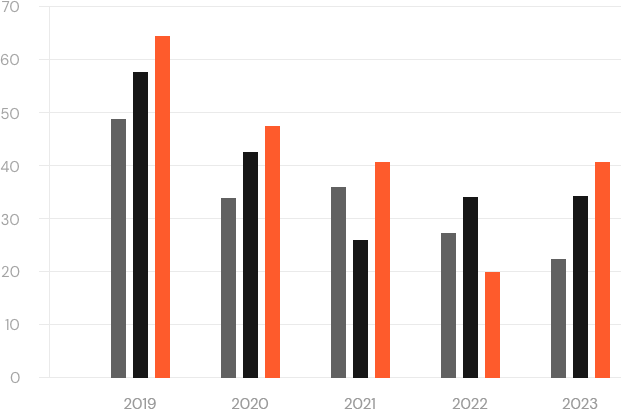
Deals that go through a formal readiness assessment before going to market close at a noticeably higher rate than those that go to buyers with unresolved financial or legal issues still outstanding.
Customer concentration above 20% of revenue is one of the most common valuation discounts we see buyers apply, and one of the easiest issues to get ahead of with 12 to 18 months of lead time.
Post-close integration planning, started before signing rather than after, is consistently the difference between deals that hit their projected synergies and those that don't.

Expect and deliver the highest quality outcomes.
Our purpose is to build trust and maintaining a long lasting relationships with our clients.
Acknowledge needs and objectives

We prepare for your meeting by identifying key milestones or events that have happened since we last met. Then we review your portfolios to see if they’re well positioned to meet
Provide a comprehensive long term perspective

We prepare for your meeting by identifying key milestones or events that have happened since we last met. Then we review your portfolios to see if they’re well positioned to meet
Establish confidence and discuss opportunities

We prepare for your meeting by identifying key milestones or events that have happened since we last met. Then we review your portfolios to see if they’re well positioned to meet
What Our Customers Feel About Our Services!
When our customers succeed, so do we!!
It’s been an excellent experience. Apex Advisors team of consultants is a trusted partner; they took the necessary time to understand our operations and needs, which was essential for our providers and clients. They were professionals and made the right changes and adjustments to align project team with our culture and needs.

Dana Wade Sr
Working with Apex Advisors gave our leadership team a level of financial discipline we simply didn't have before. They didn't just hand us a report and leave; they stayed through implementation until our own team could run the process independently.

Ann John